Youth Agro Entreprenuers is a social enterprise incubator that teaches agricultural and business skills. Rebrands farming as a viable profession for youths
Showing posts with label Agriculture. Show all posts
Thursday, 18 August 2016
FRESH DAILY NEWSLETTER 18TH - 25TH AUGUST - FOOD AND HEALTH
Good Day,
I hope this reaches you in good health and happiness. This past weeks have been extremely busy weeks for us. The communities we are delivering to are expanding and our well laid delivery plans would need to be re designed to get maximum efficiency on our end which would translate to less fuel consumption and more off time for my staff. I sincerely apologize to those estates we have not been able to keep to a set delivery dates. I PROMISE WE WOULD BE BETTER. We have been able to sign up a new restaurant in Wuse II . They are called Uncle D's restaurant and wholly dedicated to selling organically grown food, the owner is a chef passionate about food it's worth giving them a try at some point.
During last weeks deliveries I have learnt alot about food and health from some of you. It's always taken for granted that food is the best form of medicine, I dedicate this weeks edition of our newsletter to re-enforce that amongst our community. The rates at which stomach ulcers, high blood pressure and diabetes is been diagnosed amongst us has reached epidemic proportions. BP tablets are been bought like sweets, I met a 22 year old patient in a hospital diagnosed with high blood pressure and diabetes. He looked healthy and virile as far as my eyes could see by the prognosis was damning. The good news is that since the problem is our food, we can always reverse the trend. Taking time out to plan a proper diet and delve deeper into our food is the best preventive and curative measures we can take. I heard someone say we are the most overfed and yet under-nourished generation and I totally agree. The food we eat needs to have the right nutrients and released properly without exposing us to toxins. Vegetables and fruits are vital to a diet that promotes optimum health. You can find out more about what vegetables are would aid you in claiming back your health from here
Our range of vegetables are expanding thanks to a generous contribution of organic seeds delivered to us by one of our supporters. We now have more rocket salad seeds which by the way Americans call Aragula for some weird reason, more varieties of lettuce, more tomatoes and yellow pepper. Yes we finally have yellow sweet peppers and in a couple of months we would be filling your boxes with an extra burst of sunshine.
Thanks a lot for choosing us and continue claim back your health and food systems. Building sustainable communities and a better world can only be achieved when we have optimum health.
Peace, Love and Blessings
Kabir Onimisi ADEMOH
Labels:
Abuja,
Agriculture,
CSA,
DIABETES,
FARMING,
Food,
FRESH,
GROCERY,
HEALTH,
Nigeria,
TRENDING,
WEALTH,
WEIGHT LOSS
Wednesday, 6 April 2016
Meet The Next Generation of Farmers In Abuja
More young people are interested in Agriculture than ever before due to a combination of factors. These young individuals are passionate and knowledgeable about current Agricultural practises. They are able to fuse their knowledge of the global economics with the immediate need of Nigerian farming and economy.
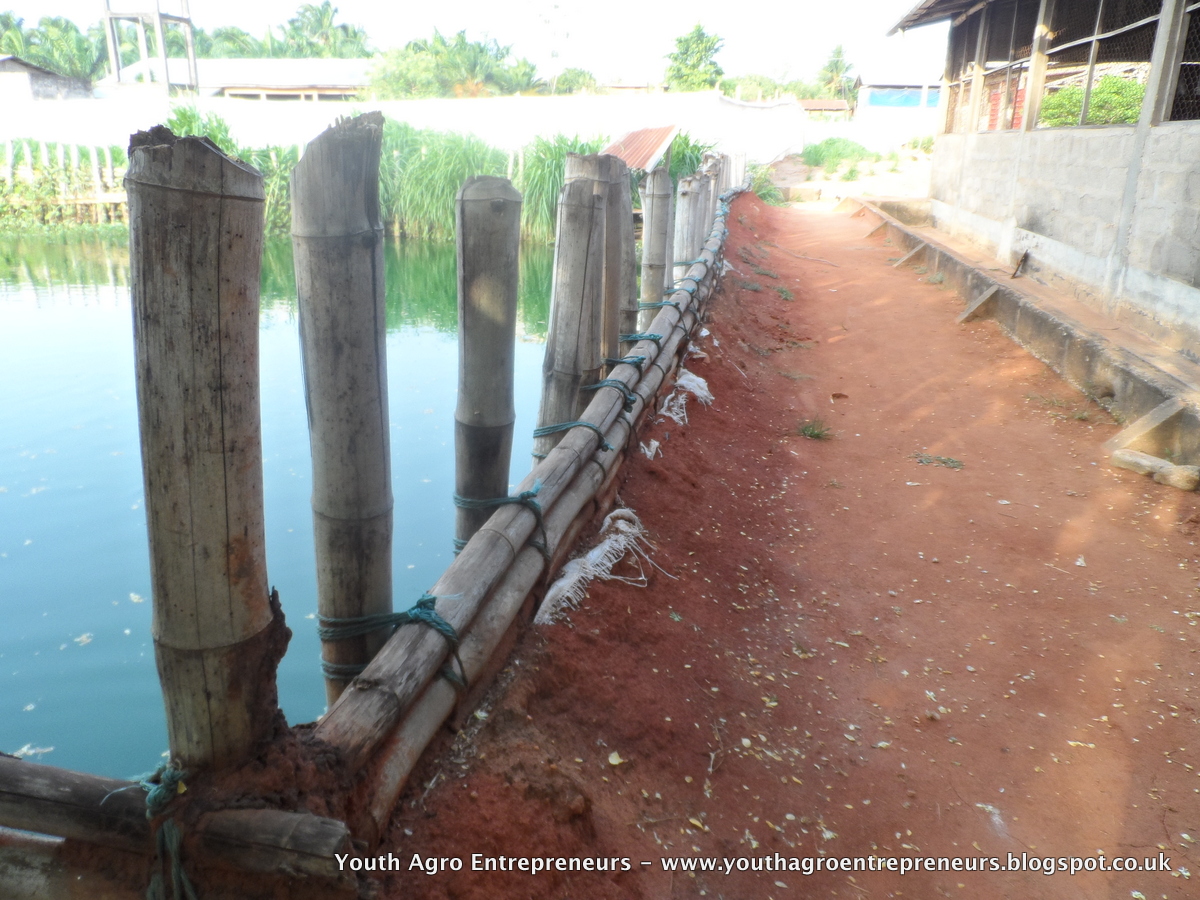
The images below are from Fish Farming cluster in ABUJA. Run by young individuals with a exciting new ideas for Farming.
I salute your efforts!
The images below are from Fish Farming cluster in ABUJA. Run by young individuals with a exciting new ideas for Farming.
I salute your efforts!
Tuesday, 8 December 2015
Waste, Energy and Green Days
The colour of Monday is green. The prospect of a new working week and getting productive has always coloured my Monday so.It has always been green for me. Today I ha extra reason for feeling very green. I spent the best part of yesterday researching into agricultural waste the impact of landfilling and the potential it holds for alleviating the energy poverty in this county.
Energy poverty is a real. I was not one to consider it in detail until I started researching into agricultural waste and how it can be handled. Experts in energy matters that Nigeria has one of the highest cases of energy poverty in the world while there lies a massive potential to convert waste to energy and help alleviate our energy challenges in this country. Agriculture is an activity that always produces a large amount of waste particularly in animal husbandry. A poultry farm with a thousand birds would produce half a tonne of waste in a day. We have traditionally only used this waste as a source of fertilizer on the farms but with recent advances in converting biomass to energy, agricultural waste would suddenly be viewed in a whole new spectra.
Biofuels seem as viable options to reducing our reliance on fossil fuels and providing electricity and cooking fuels to communities that are facing chronic energy poverty. The impact of electricity in developing a community is well documented. Having an alternative to the traditional sources of energy is crucial. Agriculture when done right can become an invaluable tool of development. My yesterday was green and I hope for a future is green in so many ways.
KOA
Tuesday, 20 May 2014
Natural & Organic Products Exhibition 2014
Going from strength to strength 2014′s Natural & Organic Products Europe saw over 550 companies from 45 different countries exhibiting natural and organic ranges to more than 9,000 health, food and beauty buyers – including representatives from major supermarkets and multiples, specialist suppliers, international wholesalers and distributors, pharma3cies, leading contract caterers, salons and spas, plus hundreds of independent retail outlets. I was at the exhibition last month to promote the new 100% Shea butter product "OKWUME" by one of our cooperative farms; Jigna Eco-Farms
Natural and organic products are big business around the world, and each year it’s getting bigger. The higher demand for natural products in the beauty and cosmetic industry represents an opportunity for farmers, communities and agro co-operatives to get more value for their products.
WORLD FRUIT MARKET
BEESWAX PRODUCTS
WITH CEO OF EATMORINGA, DAVID
"OKWUME" THE 100% SHEA BUTTER CREAM
ARRIVING AT THE EXHIBITION
DUDU OSUN ON DISPLAY
MORINGA SUPPLEMENTS
Thursday, 17 April 2014
Q & A : Does Agriculture Need A New Revolution ? Interview with Head of IFAD
ROME, Apr 16 2014 (IPS)
- The Millennium Development Goals deadline of 2015 is fast approaching, but according to the International Fund for Agricultural Development (IFAD), poverty still afflicts one in seven people — and one in eight still goes to bed hungry.Together with the United Nations Food and Agriculture Organisation (FAO) and the World Food Programme (WFP), IFAD unveiled the results of their joint work Apr. 3 to develop five targets to be incorporated in the post-2015 development agenda."We have a growing global population and a deteriorating natural resource base." -- Kanayo F. Nwanze, president of IFAD annouced along with the new targets of IFAD.
These targets include access to adequate food all year round for all people; ending malnutrition in all its forms with special attention to stunting; making all food production systems more productive, sustainable, resilient and efficient; securing access for all small food producers, especially women, to inputs, knowledge and resources to increase their productivity; and more efficient post-production food systems that reduce the global rate of food loss and waste by 50 percent.
IPS correspondent Silvia Giannelli interviewed Kanayo F. Nwanze, president of IFAD, on the role of rural poverty and food security in shaping the current debate on the definition of a new development agenda.
Q: Do you think it is time to rethink the strategies to achieve the Millennium Development Goals?
A: It’s not only that I think, I know it. And that is why we have Sustainable Development Goals (SDGs) that are being fashioned. The SDGs are an idea that was born in the Rio Conference on Sustainable Development in 2012. The crafting of a new global development agenda is a unique opportunity to refocus policy, investments and partnerships on inclusive and sustainable rural transformation.The intent is to produce a new, more inclusive and more sustainable set of global development objectives that have application to all countries. These goals – once agreed by governments – would take effect after the current MDGs expire in 2015.And measurement will be crucial if we are to achieve what we set out. This is why we are talking about universality but in a local context. The SDGs will be for all countries, developing and developed alike. But their application will need to respond to the reality on the ground, which will vary from country to country.
Q: How do the five targets revealed this month fit in this discussion on the post-2015 development goals?
A: The proposed targets and indicators are intended to provide governments with an informed tool that they use when discussing the precise nature and make-up of the SDGs related to sustainable agriculture, food security and nutrition.These are five critical issues for a universal, transformative agenda that is ambitious but also realistic and adaptable to different country and regional contexts. The targets can fit under a possible dedicated goal but also under other goals. So, it is for governments to decide whether or not they wish to include these targets in the SDGs.
Q: Why does agriculture represent such a critical aspect within the post-2015 development agenda?
A: We have a growing global population and a deteriorating natural resource base, which means more people to feed with less water and farmland. And climate change threatens to alter the whole geography of agriculture and food systems on a global scale.It is clear that we need a new revolution in agriculture, to transform the sector so it can fully live up to its potential to drive sustainable development. Target areas should address universal and context-specific challenges, but context-adapted approaches and agendas are the building blocks for any effort to feed the world.
Q: Why is the focus on rural areas so important in order to overcome inequality?
A: The world is becoming increasingly urban, yet cities are still fed by the people working the land in rural areas. And it is in those rural areas where 76 percent of the world’s poor live.At IFAD we see that the gap between rich and poor is primarily a gap between urban and rural. Those who migrate to urban areas, oftentimes do so in the belief that life will be better in the urban cities.However they get caught up in the bulging slums of cities, they lose their social cohesion which is provided by rural communities and they go into slums, they become nothing but breeding ground for social turmoil and desperation. One only has to look at what is happening today in what was described as the ‘Arab spring’.
Q: But beyond the issue of exclusion and turmoil, why is key to addressing rural poverty?
A: Because the rural space is basically where the food is produced: in the developing world 80 percent in some cases 90 percent of all food that is consumed domestically is produced in rural areas. Food agriculture does not grow in cities, it grows in rural areas, and the livelihoods of the majority of the rural population provide not only food, it provides employment, it provides economic empowerment,[…] and social cohesion.Essentially, if we do not invest in rural areas through agricultural development we are dismantling the foundations for national security, not just only food security. And that translates into not just national security but also global security and global peace.
Q: What risks are we facing in terms of global security, if we don’t face and take concrete action to ensure food security?
A: We just need to go back to what happened in 2007 and 2008: the global food price crisis, as it is said, and how circumstances culminated in what happened in 40 countries around the world where there were food riots.Those riots were the results of inaction that occurred in some 25-30 years due to these investments in agriculture and the imbalances in trade, across countries and across continents. Forty countries experienced serious problems with food riots, and they brought down two governments, one in Haiti and another one in Madagascar. […] We’ve seen it, [and] it continues to repeat itself.
Q: What role are developed countries expected to play in the achievement of these five targets?
A: All countries will have an essential role to play in achieving the SDGs – whatever they end up looking like. Countries have agreed that this is a “universal” agenda and developed countries’ commitment will have to extend beyond ODA [Official Development Assistance] alone.At IFAD we [are] seeing that development is moving beyond aid to achieve self-sustaining, private sector-led inclusive growth and development. For example, in Africa, generated revenue shot up from 141 billion dollars in 2002 to 520 billion dollars in 2011. This is truly a universal challenge, but it also requires local and country-level ownership and international collaboration at all levels.
- The Millennium Development Goals deadline of 2015 is fast approaching, but according to the International Fund for Agricultural Development (IFAD), poverty still afflicts one in seven people — and one in eight still goes to bed hungry.Together with the United Nations Food and Agriculture Organisation (FAO) and the World Food Programme (WFP), IFAD unveiled the results of their joint work Apr. 3 to develop five targets to be incorporated in the post-2015 development agenda."We have a growing global population and a deteriorating natural resource base." -- Kanayo F. Nwanze, president of IFAD annouced along with the new targets of IFAD.
These targets include access to adequate food all year round for all people; ending malnutrition in all its forms with special attention to stunting; making all food production systems more productive, sustainable, resilient and efficient; securing access for all small food producers, especially women, to inputs, knowledge and resources to increase their productivity; and more efficient post-production food systems that reduce the global rate of food loss and waste by 50 percent.
IPS correspondent Silvia Giannelli interviewed Kanayo F. Nwanze, president of IFAD, on the role of rural poverty and food security in shaping the current debate on the definition of a new development agenda.
Q: Do you think it is time to rethink the strategies to achieve the Millennium Development Goals?
A: It’s not only that I think, I know it. And that is why we have Sustainable Development Goals (SDGs) that are being fashioned. The SDGs are an idea that was born in the Rio Conference on Sustainable Development in 2012. The crafting of a new global development agenda is a unique opportunity to refocus policy, investments and partnerships on inclusive and sustainable rural transformation.The intent is to produce a new, more inclusive and more sustainable set of global development objectives that have application to all countries. These goals – once agreed by governments – would take effect after the current MDGs expire in 2015.And measurement will be crucial if we are to achieve what we set out. This is why we are talking about universality but in a local context. The SDGs will be for all countries, developing and developed alike. But their application will need to respond to the reality on the ground, which will vary from country to country.
Q: How do the five targets revealed this month fit in this discussion on the post-2015 development goals?
A: The proposed targets and indicators are intended to provide governments with an informed tool that they use when discussing the precise nature and make-up of the SDGs related to sustainable agriculture, food security and nutrition.These are five critical issues for a universal, transformative agenda that is ambitious but also realistic and adaptable to different country and regional contexts. The targets can fit under a possible dedicated goal but also under other goals. So, it is for governments to decide whether or not they wish to include these targets in the SDGs.
Q: Why does agriculture represent such a critical aspect within the post-2015 development agenda?
A: We have a growing global population and a deteriorating natural resource base, which means more people to feed with less water and farmland. And climate change threatens to alter the whole geography of agriculture and food systems on a global scale.It is clear that we need a new revolution in agriculture, to transform the sector so it can fully live up to its potential to drive sustainable development. Target areas should address universal and context-specific challenges, but context-adapted approaches and agendas are the building blocks for any effort to feed the world.
Q: Why is the focus on rural areas so important in order to overcome inequality?
A: The world is becoming increasingly urban, yet cities are still fed by the people working the land in rural areas. And it is in those rural areas where 76 percent of the world’s poor live.At IFAD we see that the gap between rich and poor is primarily a gap between urban and rural. Those who migrate to urban areas, oftentimes do so in the belief that life will be better in the urban cities.However they get caught up in the bulging slums of cities, they lose their social cohesion which is provided by rural communities and they go into slums, they become nothing but breeding ground for social turmoil and desperation. One only has to look at what is happening today in what was described as the ‘Arab spring’.
Q: But beyond the issue of exclusion and turmoil, why is key to addressing rural poverty?
A: Because the rural space is basically where the food is produced: in the developing world 80 percent in some cases 90 percent of all food that is consumed domestically is produced in rural areas. Food agriculture does not grow in cities, it grows in rural areas, and the livelihoods of the majority of the rural population provide not only food, it provides employment, it provides economic empowerment,[…] and social cohesion.Essentially, if we do not invest in rural areas through agricultural development we are dismantling the foundations for national security, not just only food security. And that translates into not just national security but also global security and global peace.
Q: What risks are we facing in terms of global security, if we don’t face and take concrete action to ensure food security?
A: We just need to go back to what happened in 2007 and 2008: the global food price crisis, as it is said, and how circumstances culminated in what happened in 40 countries around the world where there were food riots.Those riots were the results of inaction that occurred in some 25-30 years due to these investments in agriculture and the imbalances in trade, across countries and across continents. Forty countries experienced serious problems with food riots, and they brought down two governments, one in Haiti and another one in Madagascar. […] We’ve seen it, [and] it continues to repeat itself.
Q: What role are developed countries expected to play in the achievement of these five targets?
A: All countries will have an essential role to play in achieving the SDGs – whatever they end up looking like. Countries have agreed that this is a “universal” agenda and developed countries’ commitment will have to extend beyond ODA [Official Development Assistance] alone.At IFAD we [are] seeing that development is moving beyond aid to achieve self-sustaining, private sector-led inclusive growth and development. For example, in Africa, generated revenue shot up from 141 billion dollars in 2002 to 520 billion dollars in 2011. This is truly a universal challenge, but it also requires local and country-level ownership and international collaboration at all levels.
Friday, 4 October 2013
THE VALUE ADDITION IMPERATIVE IN AGRICULTURE

Local agricultural processing is vital as Africa’s food imports continue to rise – but not all commodities are well suited to domestic value addition
A rising middle class and expanding population are pushing Africa’s food import bill to worrying highs. While rising capital imports suggest growing productive capacity, booming consumption imports – especially for products that can be produced domestically – are a red flag, according to Jean-Louis Ekra, president of the African Export-Import Bank in Cairo. They suggest economies are failing to keep pace and running up unnecessary trade imbalances.
Africa lost its status as a net exporter of agricultural products in the early 1980s when prices for raw commodities fell and local production stagnated. Since then, agricultural imports have grown faster than agricultural exports and by 2007 reached a record high of $47bn, yielding a deficit of $22bn. The value of agricultural exports from Thailand is now greater than for the whole of the African continent below the Sahara.
Nature is partly to blame. Weather-related damage has hit rice crops in Benin, Burkina Faso, Cameroon, Niger and Madagascar. Foot and mouth disease has hurt Egypt’s bovine exports, and cassava – one of Africa’s major offerings to world agricultural trade – is being felled by a fast-spreading virus. Policy volatility is also at fault. Nigeria – Africa’s largest rice importer – announced heightened import taxes last year, which prompted a sudden rise in purchases. And across Africa, weak infrastructure hinders markets.
But rising food imports are also a consequence of wealth and one of its tell-tale effects: a taste for protein. Poultry import growth last year was around 12 percent, driven by higher incomes in the likes Angola, Benin, Ghana, and the Democratic Republic of the Congo. “Africa is growing at a base of 5 to 6 percent a year, which translates into a growing middle class with an increase of consumption,” says Mr Ekra. “In west Africa, for instance, you see an increasing taste for luxury Thai rice.”
This is not only the case in the more affluent economies. In Sierra Leone, which languishes towards the bottom of the United Nations’ Human Development Index, rice imports have run to about 15 percent of consumption in the last few years, and have reached as much as 45 percent in the recent past. “That means an import bill of several hundred million dollars, a truly frightening percentage of the $3.8bn GDP,” says Paddy Docherty, chief executive of Phoenix Africa, a company investing in post-conflict countries.
Companies testify to the challenges of agricultural import-dependence in their continental operations. “We have 13 factories in Africa that use products like soft oils, tomatoes or starch-based compounds on a daily basis, but much of this is imported, wasting foreign exchange and increasing our carbon footprint,” says Marc Engel, chief procurement officer at Unilever.
But to an optimist, import-dependence spells opportunity. Firstly, structural imbalances are a symptom of fast growth. China’s annual agricultural consumption needs have now overtaken production too. For companies and investors, the import profile signals strong domestic demand which could be tapped through investment in domestic agribusiness and food retail.
Attention is turning to greater domestic processing of agricultural resources, to ensure raw products can reach finished form within African markets. Raising productivity is key to this. “In order to have a sustainable, solid rural sector you cannot have poverty. You must have prosperity,” says Howard-Yana Shapiro, global director of plant science and external research for Mars. “And how will that come without productivity? So productivity is the key piece.”
Mr Docherty agrees that productivity increases are needed to drive local value addition. “The vast majority of imports are of bagged rice, i.e. already milled and packaged,” says Mr Docherty. “There is great potential to do this milling in situ in places like Sierra Leone, if there is the primary production in country to feed the mills. I know from experience that the tiny areas in production in Sierra Leone, and the low yields currently being achieved because of the lack of inputs such as fertiliser and lime, means that there is milling capacity which is unused.”
One Beijing-funded demonstration farm in the Bo region has a decent rice mill which is shut because it lacks the raw product to justify keeping it in operation, says Mr Docherty: “Processing capacity alone is no good without sufficient volumes of local production. I do not imagine the economics would work if raw rice was imported for local processing. Processing capacity must grow alongside local production, and the two together are essential for achieving food security and more efficient markets in Africa.”
It is also important to ensure local processing is technically advanced, otherwise it can consume large amounts of labour without a value payback. Cassava processing, for instance, is often low productivity – and traditional processing methods can lead to contamination of cassava crops.
Practitioners must distinguish between commodities which make sense to process locally, and those that do not. Technoserve, the NGO, has conducted analysis across several African markets and their findings challenge the view that local processing is always best. Measuring the domestic resource cost of a range of Mozambican commodities threw up a number of interesting insights. Local processing of cashew nuts was seen to be highly advantageous, while local varieties of rice (Chokwe and Zambezia varieties) were not found to be financially profitable without credit access and technical assistance. Potatoes command low prices but production costs are modest, suggesting a good market, while paprika was found to be “somewhat profitable” for farmers, although pesticide and fertiliser interventions would be needed.
Simon Winter, senior vice president for development at Technoserve, says market dynamics signal where and how to go about value addition. “Once you have identified the market and where processing needs to be, then you optimise your logistics,” he says. It does not make sense, for instance, to develop cashew roasting and packaging facilities too close to the production source if the consumer market is far away, due to the damage that will be caused during transportation. “If cashew kernels are in vacuum packed 2kg bags, they are less likely to get broken and crushed than in a small foil packet,” Mr Winter notes. Chocolate, on the other hand, would make more sense to process locally (currently, Europe and North America dominate this segment). While high temperatures are a struggle in west Africa, there is less risk of product damage during transportation of chocolate. “You have to understand this commodity by commodity,” says Mr Winter.
There are many constraints to value addition, even where economic arguments are strong. First is a lack of resources, including refrigeration and cold storage, vehicles and skilled personnel. Then there are deficient or confusing standards, especially between countries. And there are serious health dangers to some locally-grown produce, such as aflatoxin that can be found in large quantities in maize and nuts.
Local processing means being able to identify and have the means to flush out such health dangers, for instance through aseptic processing. Important assistance here can come from government agencies. The Kenya Agriculture Research Institute, for instance, provides disease and pest management support, as does Cocobod, the cocoa sector agency in Ghana.
When exploring the market dynamics of local processing, it is also important for companies and practitioners to distinguish between producer- versus buyer-driven chains. Buyer-driven chains can be evident in agriculture, when freshness standards and protected varieties are important, when there is high product differentiation, when packaging and logistics are complicated, or when R&D and other knowledge elements in production or processing are critical. So it may well be large retailers and brand companies – from Massmart to Unilever – who could provide the impetus to local processing in Africa, saving themselves money and reducing supply chain complexity.
ADAM ROBERT GREEN
Contributor to "THIS IS AFRICA" Development Section
Read original article from the link below
http://www.thisisafricaonline.com/Development2/The-value-addition-imperative-in-agriculture?ct=true
Friday, 12 July 2013
FISHING FOR PROFIT
A little social innovation can help reduce the cost of feeding for aquaculture practitioners. There is huge profit to be made in fish farming due to its high demand but the steep cost of feed is a major worry for entrepreneurs venturing into this business. I experienced this first hand managing a fish pond as a part-time job during my NYSC year. Like most young people fishing for a little extra cash would do, I had to get innovative.
The farm specialized in catfish production but also had poultry on site. The pond I managed had a stock of approximately 2,100 pieces. The benchmark set for table sized catfish here was 1.5 kg. Therefore once the fish got to the benchmarked weight, they were ready to be sold off to prospective clients. I was responsible for designing the feeding regimen, feeding process, taking records of weights, keeping track of medications and vaccinations, monitoring water levels/quality and procurement of feed and other needed materials. I had a two man staff – one IT student from Federal University of Technology, Minna and a teenager from Katsina who lived in the village next to the farm and had made quite a reputation for himself as a reliable fish harvesting expert. He earned his living by been contracted on a daily basis by the different farms around our site. After watching him work for us on a contract capacity, We had to hire him.
I noticed early that a huge chunk of my weekly budget was spent on purchase of feeds. Catfish are notorious for their appetite and though they can constantly consume any feed chucked into their pond, I was working on the strict model that aimed for a 100% feed conversion ratio (FCR) ± 5% i.e. for a table sized fish of 1.5 kg, it would have consumed 1.5kg of feed. Therefore when we operated under optimum conditions, it would require 3,150 kg of feed to take our juveniles to table size catfish. The brand of feed used on the farm was “Coopen” which was available in 15kg bags and each bag costs # 7,0 00 Naira. Doing the quick sums would show that I needed to budget 1.47 million Naira for feeds if all conditions were met for optimum production and possibly higher if any errors came up in my feeding regimen. The large sum spurred me into action to reduce our cost of feeds and increase my take home pay.
The first step I took bringing to fore all of my analytical chemistry education was to pick up a bag of fish feed at the Kado fish Market (Abuja) and have a look at the contents sticker on the bag. I had to know exactly what was inside what I was paying for. I stumbled upon two facts that were so obvious I felt a shade thicker
• Most of the feed brands available were imported from Scandinavian countries and the very few feeds manufactured by Nigerian companies where so crude in design and packaging that most commercial farms were reluctant to purchase them
• The raw materials for compounding these feeds were readily available at the markets and on my farm site
Fish meal is a major component of the floating feeds and this was basically carcass of fish, small harvested fish, fish bones etc dried and granulated and incorporated into the feed with other additives, wheat offal, soya beans cake, fish oil and essential vitamins. Looking around the Kado fish market, like most other fish markets in Abuja there was no provision for cleaning and disposing off the waste generated at the market. The market was completely covered in fish entrails, fish scales, wastes and the likes. Right in front of me was the problem and the solution.
A clean and hygienic market would attract a wider range of customers and generate more profit for the traders (social responsibility) while collecting all the waste generated at the market would serve as useful raw material for compounding my own fish meal on the farm (entrepreneurial opportunism), later on I would learn from one of my staff that the catfish had a preference for feeding them the raw carcass and waste off the fish market due to it been easier to digest than compounded feeds but that’s a discussion for another day. I returned to the farm in Kuje and drew up an action plan. Investing 20% of my weekly feed budget, I purchased plastic bins and bags branded with our farm logo and joined my staff to woo the local fish sellers at Kuje market to collect all of their carcass, wastes, etc into the bins which we provided for free to them and even added an incentive of paying # 500 naira for anyone that filled up their wheelie bins. We collected them every evening at 5 o clock and transported them immediately to the farm. By the end of the first week, we had collected 160 Kg of fish waste from Kuje market. After drying and granulation this shrunk to about half the weight. This combined with the maggots produced from poultry droppings on site; I had managed to cut down my feed budget by an enviable 45 % and generated extra revenue selling the waste we couldn’t use to neighboring farms. Making a difference had never been so profitable.
Onimisi K. A.
Is Communication Officer for YAE and a Social Innovation enthusiast
follow on twitter @onimsiwordsmith
Thursday, 4 July 2013
Explaining The Basics Of The GES scheme
On the 13th of May 2013, the Agriculture and Rural Development department of FCTA -Abuja initiated this years Grow Enhancement Support scheme popularly known as GES. I have been monitoring the process by visiting the centres with with the rest of the team, as part of our research. This has led to a stream of messages from interested NGOs, young farmers, software developers and technerds interested in the scheme for varying reasons. I have therefore hurriedly put together an overview of the process. I hope you find this useful.
A schematic explanation of the processes for the current subsidized agro inputs sales under the GES scheme operated by the Federal Government.
The Growth Enhancement Support Scheme is the governments scheme aimed at
•Improving agriculture productivity and food security
•Reducing cost of Agro-Inputs delivery to farmers by ensuring transparency and efficiency The program is funded by the Federal Government of Nigeria, IFDC and USAID.
E-wallets : A voucher in a text format recieved on a mobile phone by registered farmer that entitles the bearer of the text access to buying discounted inputs ( fertilizers, seeds and chemicals) for a limited period of time. The farmer therefore buys inputs directly from independent agro dealers who verify they are registered farmers with the government and have recieved a voucher on their "e-wallet". Note that the mobile device used becomes the wallet which should contain the voucher (sms) that allows you to buy at 50% discount.
Agro-Dealers : They are registered dealers with the government after fulfilling a set of requirements. Approximately 2-3 dealers in each Area Council
Eligible Farmers : These are farmers who have registered under the on going farmer registration exercise. The mobile phine numbers of this farmers are obtained and stored in the database and used as the raw data for developing the e-wallet. Their farms should be smaller than 3 hectares Passport photographs 18 and above. At each Agro dealers shop, the government has an agent stationed by the sales point, with helpline staff from the communication provider (Cellulant) along with monitoring teams from interested and involved NGOs.
Explaining Colour Codes of Arrows Green arrows denote permission to carry out command Yellow arrows are seeking permission/purchase Amber colours are for confirming verification Blue is for close seal for transactions.
Do you think you have a brilliant and innovative idea or software thst can improve this process ? Get in touch with us.
Courtesy of Kabir Onimisi Ademoh
Youth Agro Entrepreneur Communication Officer
Email: k.o.ademoh@gmail.com
Twitter @onimsiwordsmith
A schematic explanation of the processes for the current subsidized agro inputs sales under the GES scheme operated by the Federal Government.
The Growth Enhancement Support Scheme is the governments scheme aimed at
•Improving agriculture productivity and food security
•Reducing cost of Agro-Inputs delivery to farmers by ensuring transparency and efficiency The program is funded by the Federal Government of Nigeria, IFDC and USAID.
Operationals
E-wallets : A voucher in a text format recieved on a mobile phone by registered farmer that entitles the bearer of the text access to buying discounted inputs ( fertilizers, seeds and chemicals) for a limited period of time. The farmer therefore buys inputs directly from independent agro dealers who verify they are registered farmers with the government and have recieved a voucher on their "e-wallet". Note that the mobile device used becomes the wallet which should contain the voucher (sms) that allows you to buy at 50% discount.
Agro-Dealers : They are registered dealers with the government after fulfilling a set of requirements. Approximately 2-3 dealers in each Area Council
Eligible Farmers : These are farmers who have registered under the on going farmer registration exercise. The mobile phine numbers of this farmers are obtained and stored in the database and used as the raw data for developing the e-wallet. Their farms should be smaller than 3 hectares Passport photographs 18 and above. At each Agro dealers shop, the government has an agent stationed by the sales point, with helpline staff from the communication provider (Cellulant) along with monitoring teams from interested and involved NGOs.
- Farmers that recieve a voucher in their e-wallet arrive at the centre
- The codes that make up the voucher is presented to agro dealer
- Helpline staff teach farmers how to redeem their inputs by texting their voucher number to a specific code e.g. text voucher number to 437 (MTN) 438 (Etisalat) etc.
- Farmer sends his voucher through text message and agrodealer gets alerted via text message
- The message authorizes agrodealer to sell inputs
- Agrodealer sends back text message to confirm sales and update database of how many farmers attended to.
- Verification call back or text back is carried out by Cellulant to the dealer and the phon of the government agent stationed st the centre
- Farmer pays money to dealer and claims his inputs
Explaining Colour Codes of Arrows Green arrows denote permission to carry out command Yellow arrows are seeking permission/purchase Amber colours are for confirming verification Blue is for close seal for transactions.
Do you think you have a brilliant and innovative idea or software thst can improve this process ? Get in touch with us.
Courtesy of Kabir Onimisi Ademoh
Youth Agro Entrepreneur Communication Officer
Email: k.o.ademoh@gmail.com
Twitter @onimsiwordsmith
Tuesday, 2 July 2013
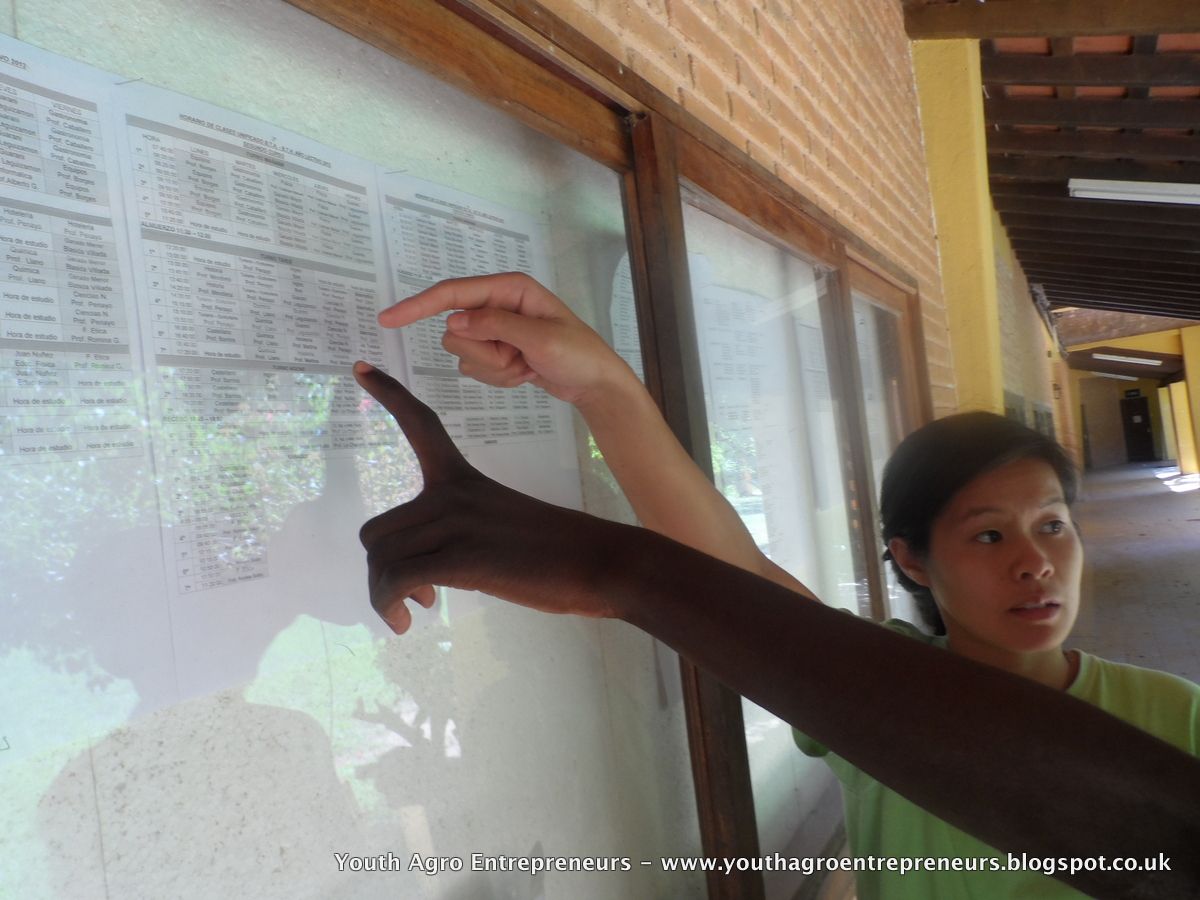
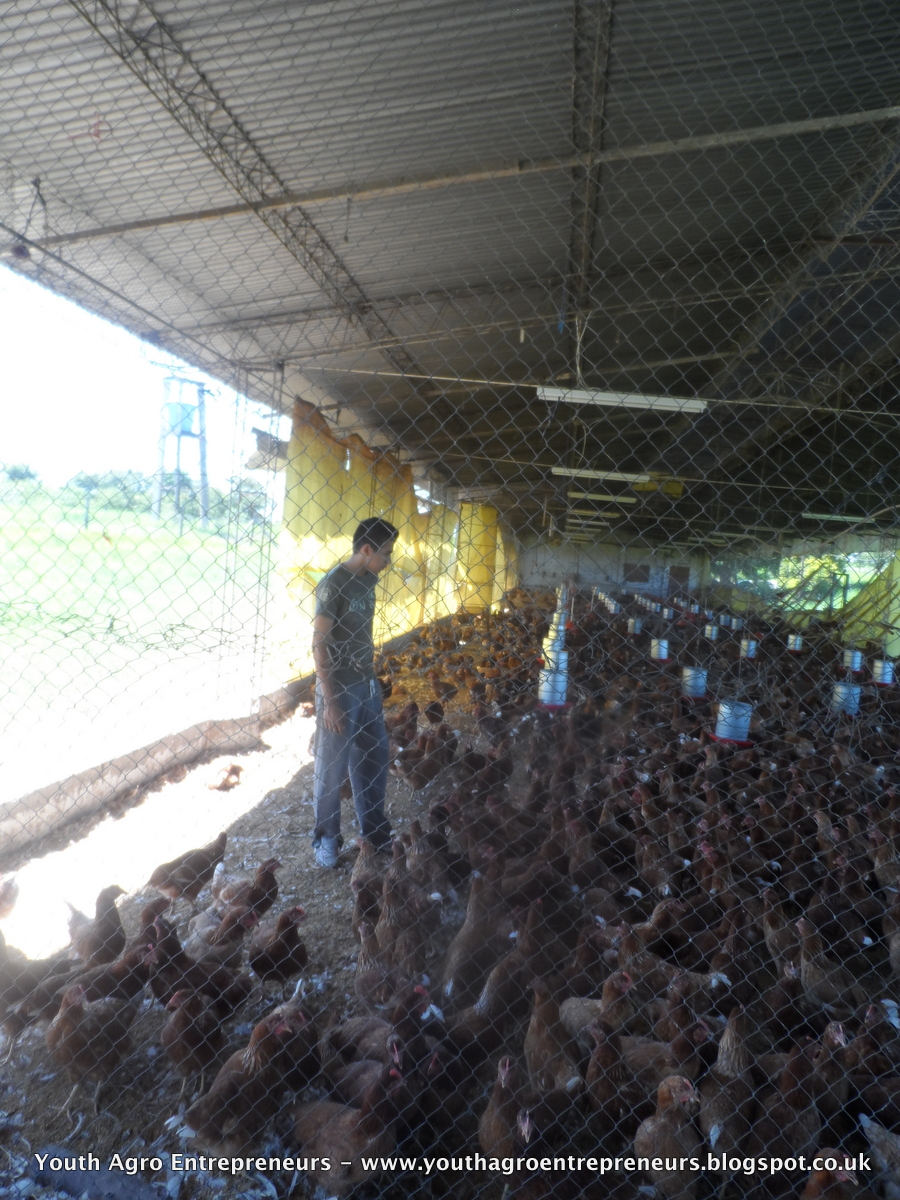
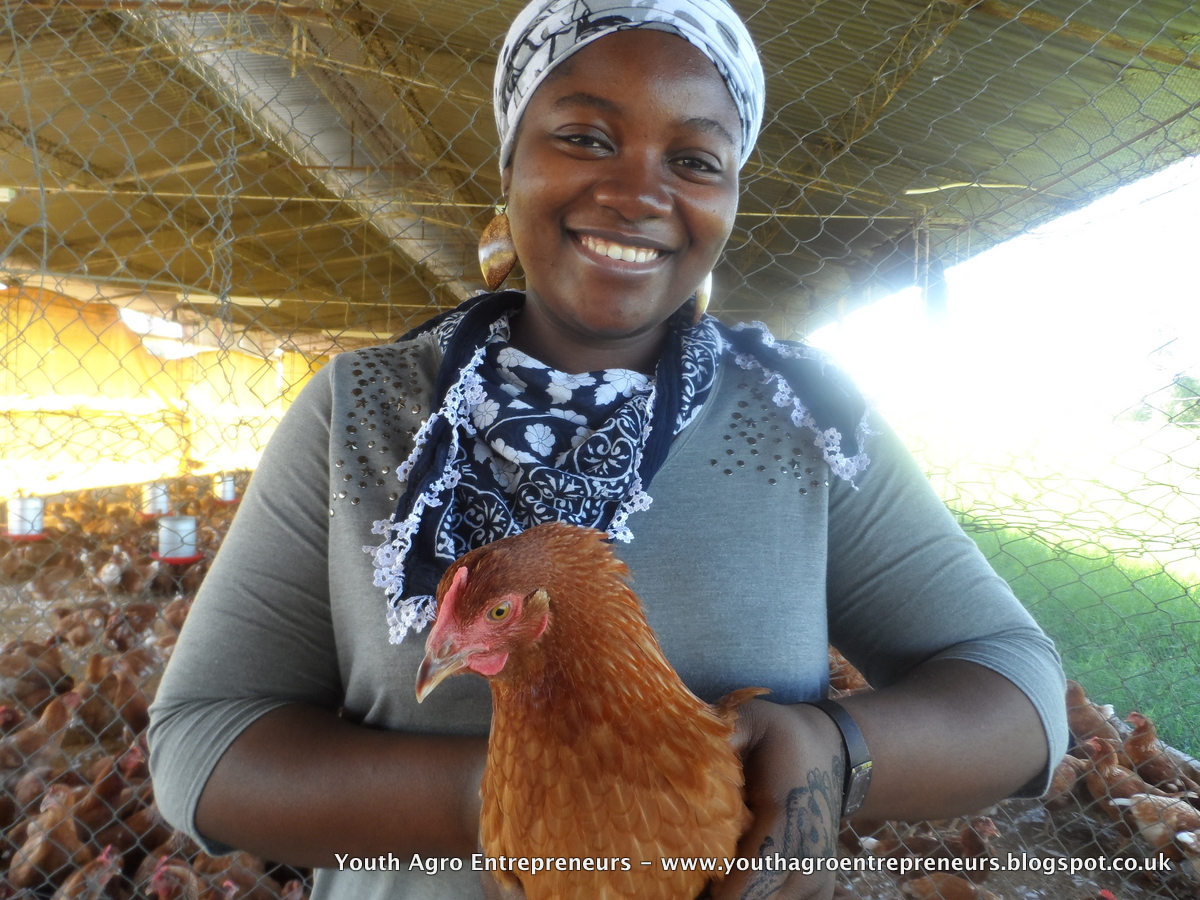
Photos of TeamYAE visiting to two sites: Porto Novo, Benin Republic (SONGHAI FARMS) and Paraguay (FUNDACION PARAGUAYA)
Earlier this year, the team of the Youth Agro Entrpreneurs project as
part of the on-going research into building a farmer training centre
visited two sites Porto Novo, Benin Republic ( SONGHAI FARMS ) and
Paraguay (FUNDACION PARAGUAYA) . Both sites were Self sustained
integrated farming and agricultural training centres heavily involved
with developing the youth agro entrepreneur vision in their locations.
The
YAE team did extensive research on the operational models of both
institutions with the aim of drawing out the frame work of our own
model. The trip was a deligthfuly informative experiece providing the
team with first hand experiece of running a farm training centre.
The following images are a sentiment filled recollection of a trip that was great in three folds - educating, inspiring and empowering.
Subscribe to:
Posts (Atom)


.jpg)